Same trade, different job
Wire, breakers and code apply to both. What changes on a commercial job is the size of the equipment, the power coming in and how the work gets scheduled around a business that needs to stay open.
Where they differ
Here are the main differences we plan for.
| Residential | Commercial | |
|---|---|---|
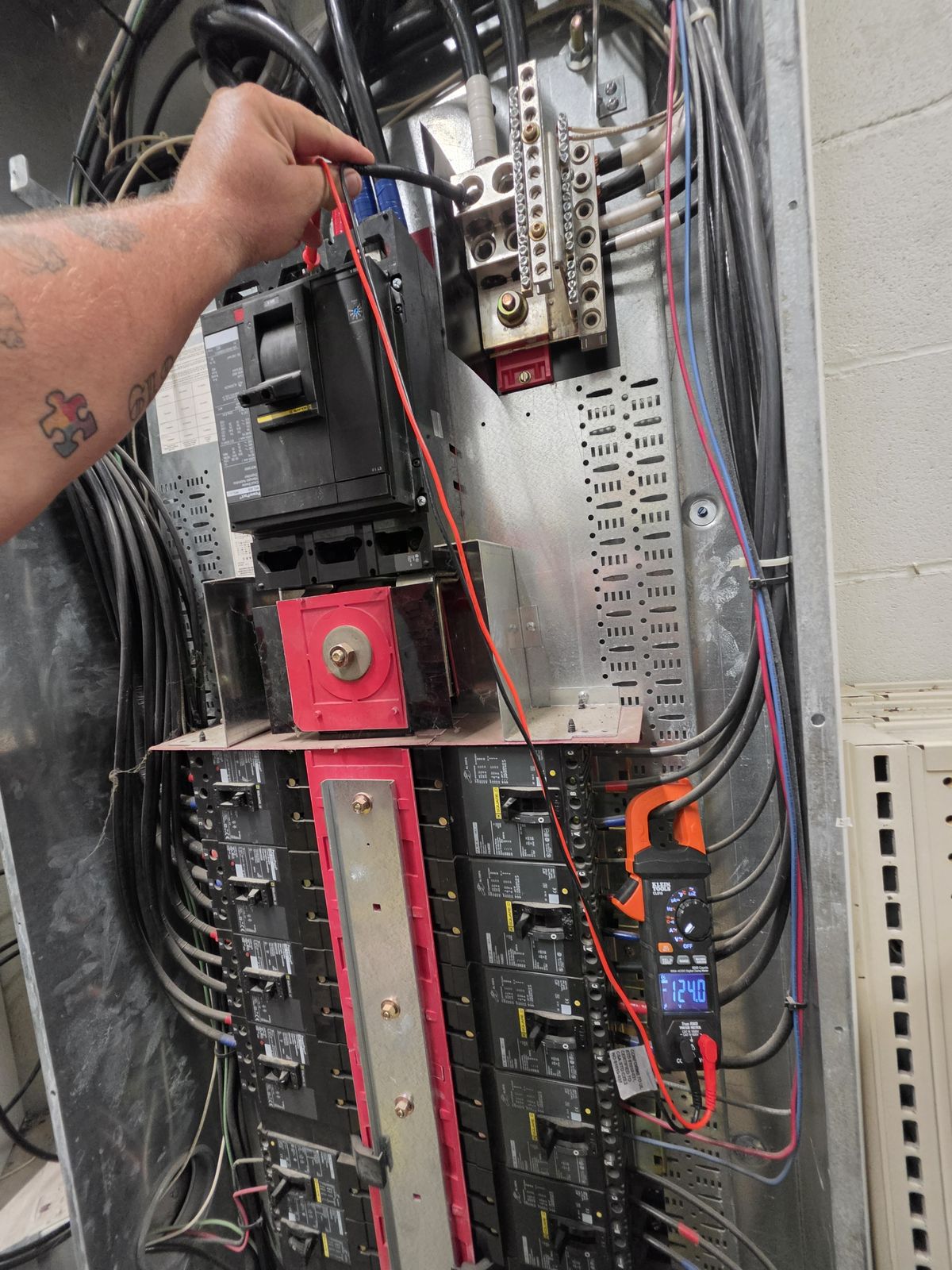
| Power | Usually single-phase | Often three-phase |
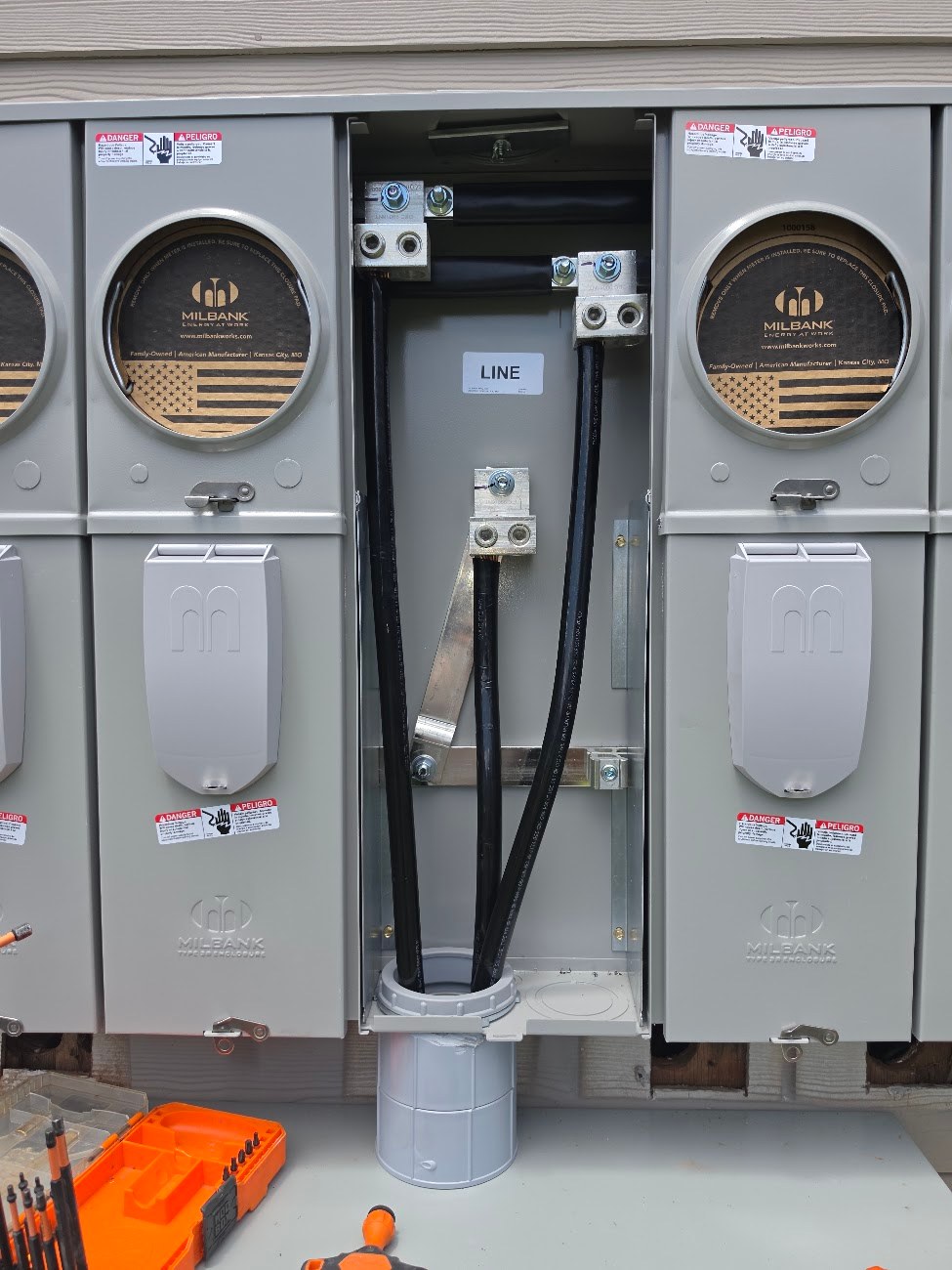
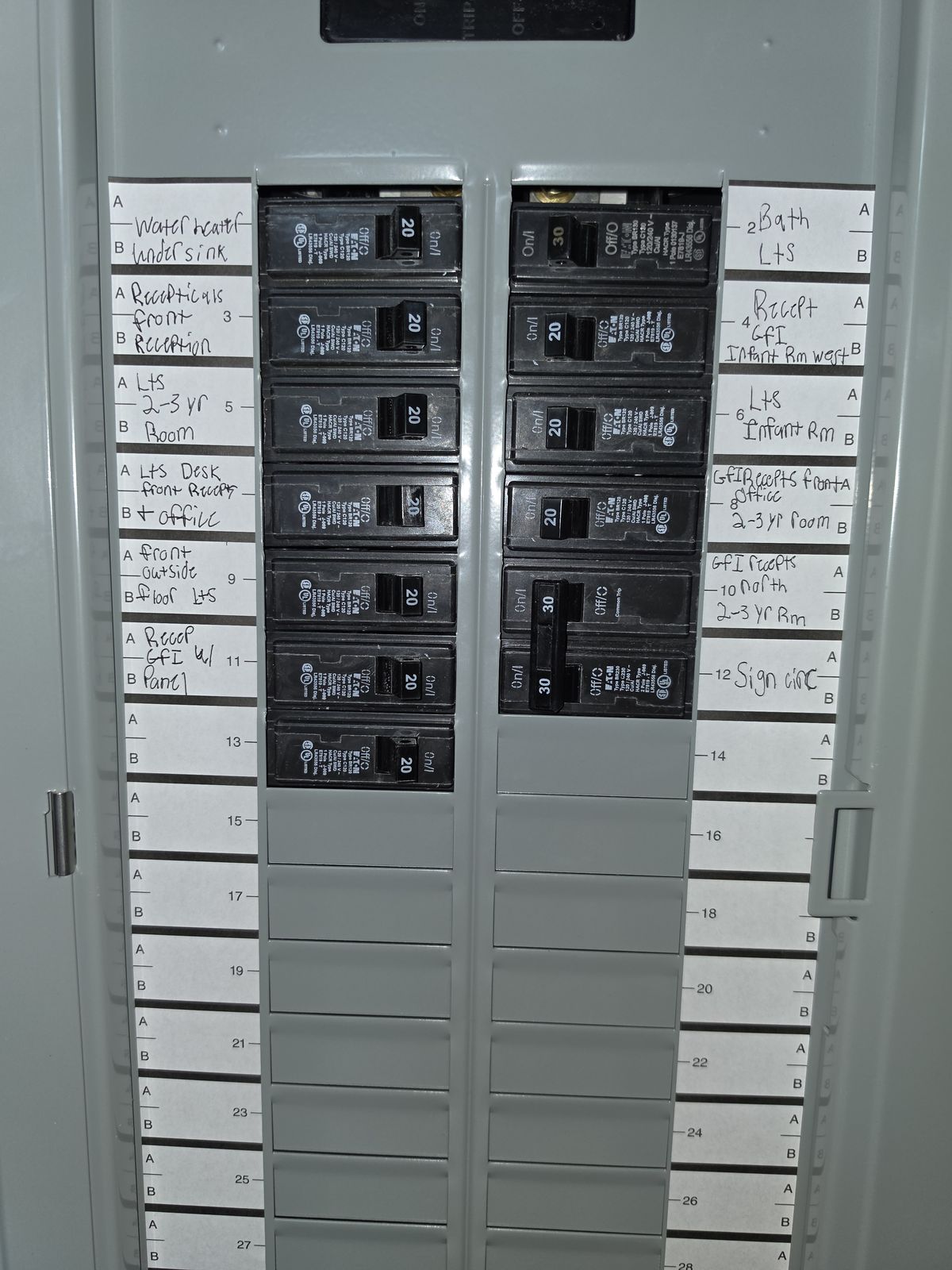
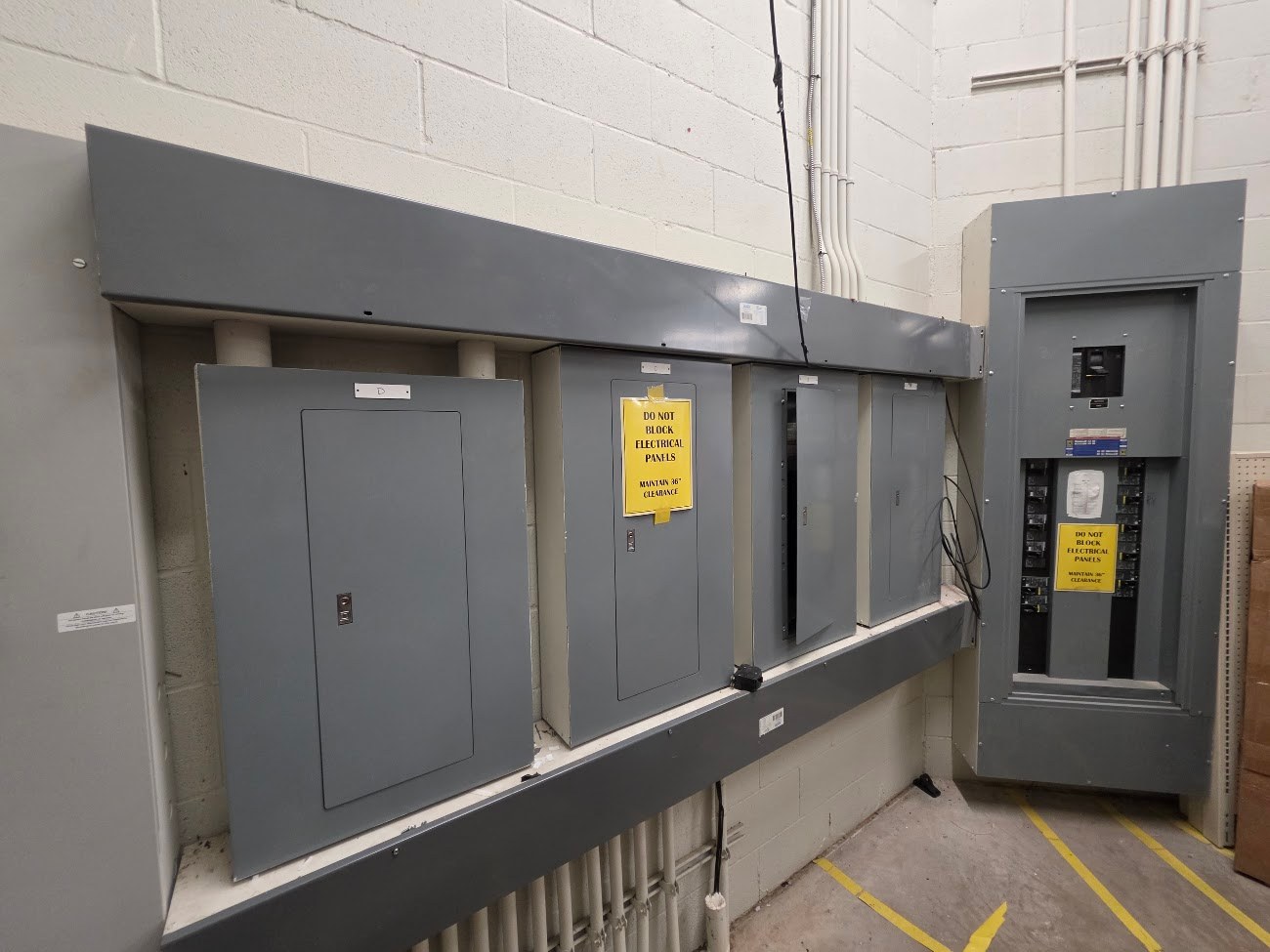
| Panels | One main panel, maybe a subpanel | Multiple panels and distribution equipment |
| Wiring methods | Mostly cable in walls | More conduit and exposed runs |
| Lighting | Fixtures and fans | High-bays, emergency and exit lighting, controls |
| Scheduling | Around the family | Around business hours and other trades |
Keeping the business running
Most commercial owners care most about downtime. We plan shutdowns ahead, do what we can with power on, and schedule outages for early mornings, evenings or weekends when that's what the job needs.
New commercial builds
On new builds we work with the general contractor from the plans through final inspection, covering service, panels, lighting, receptacles and equipment connections.
Talk it through
Whether it's a single circuit for a new machine or a full shop build, call and tell us what you're working on. We'll come look and quote it plainly.
More on this work: Commercial Electrical