Start with your list
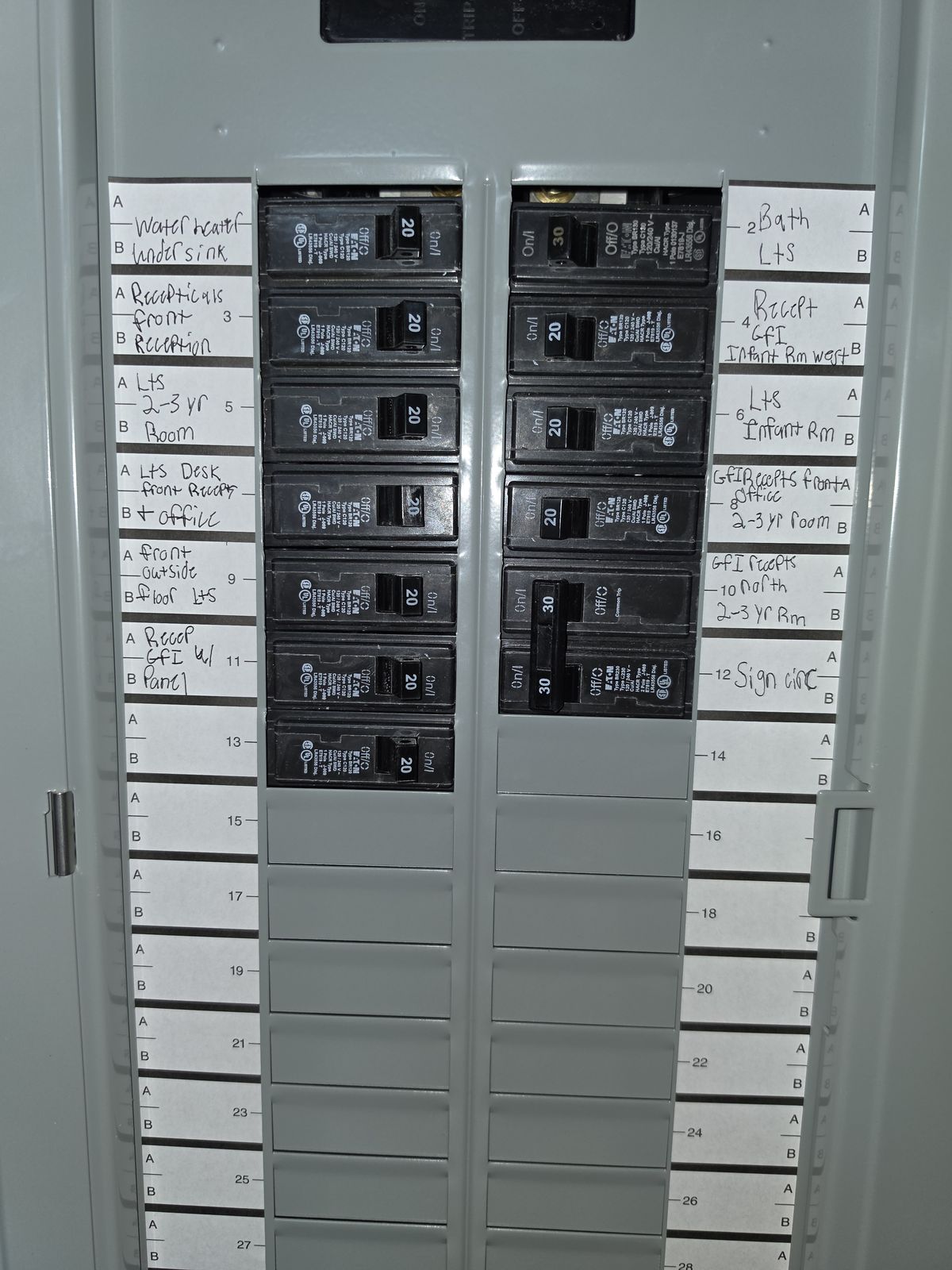
The first question we ask isn't how big the house is. It's what you need running when the power goes out. Some folks just want the fridge, the furnace fan, a few lights and the well pump. Others want the whole house to keep going like nothing happened.
That list drives the generator size, the transfer switch and the cost.
Whole house or essential circuits
There are two common ways to set it up.
| Setup | What runs | Good fit for |
|---|---|---|
| Essential circuits | A chosen set of circuits moved to a separate panel | Keeping basics on at a lower cost |
| Whole house | Everything on the main panel, with load management for big items | Homes where you want no change during an outage |
The big loads that matter
A few items drive the size more than anything else.
- Central air conditioners and heat pumps, because of the surge when they start.
- Well pumps on rural properties.
- Electric water heaters, ranges and dryers.
- Shop equipment, EV chargers and hot tubs.
What the install includes
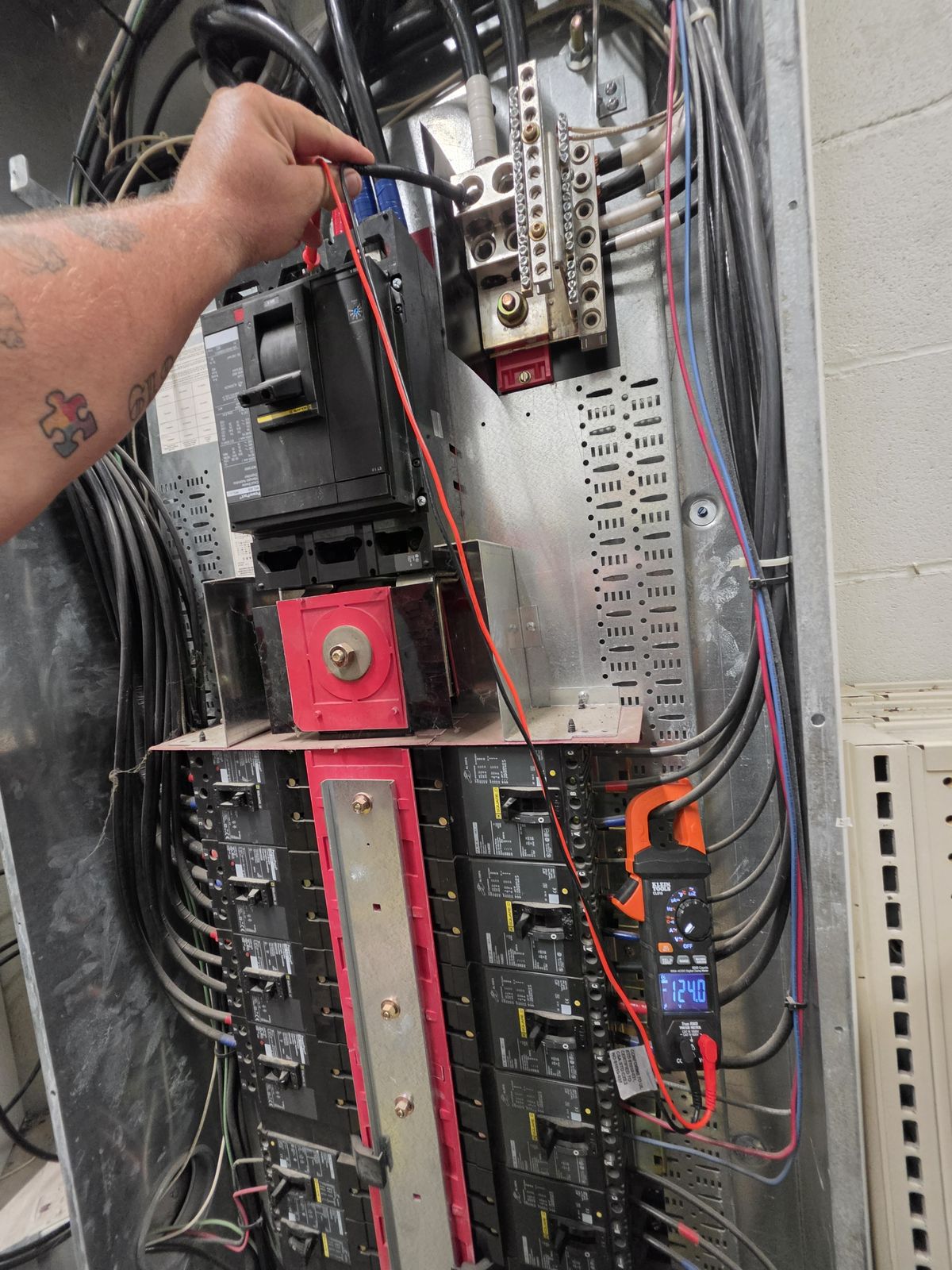
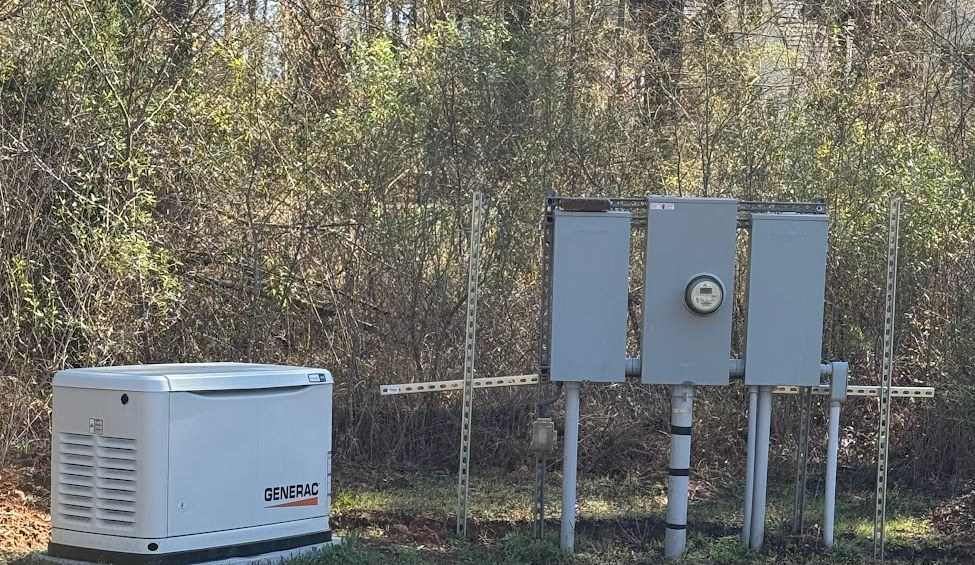
We set the generator on a pad, install the automatic transfer switch, wire it to your panel and coordinate the gas connection. Then we run a test with you on site so you see it start and pick up the house.
We're a certified Generac installer for residential and commercial work, and we handle permits as the job requires.
Getting yours sized
Call or send the form with a rough list of what you'd like to keep running. We'll come look at your panel and the spot for the unit, then give you a clear quote.
More on this work: Generac Generators